
Why Quality Pet Toys Matter for Your Dog's Health
Table of Contents
- Why Quality Pet Toys Matter for Your Dog's Development
- Safe Materials for Dog Toys: What to Look For
- How to Choose Safe Toys for Puppies and Adult Dogs
- Mental Enrichment and Behavioral Benefits of Quality Toys
- Preventing Choking Hazards and Ingestion Risks
- Signs of a Worn-Out Pet Toy and When to Replace
- Eco-Friendly Disposal and Toy Lifecycle Management
- Conclusion
Last Updated: August 28, 2026
Why Quality Pet Toys Matter for Your Dog's Development
Quality pet toys directly shape how your dog grows, learns, and behaves. They're not just entertainment, they're tools that influence physical development, mental health, and your relationship with your dog.
The difference between a cheap toy and a quality toy comes down to durability, safety, and design. A cheap toy falls apart in days, leaving plastic shards or stuffing scattered across your floor. A quality toy lasts weeks or months, withstands aggressive chewing, and won't splinter or shed materials your dog could ingest.
Dogs chew for reasons beyond boredom. Chewing helps puppies relieve teething pain, gives adult dogs an outlet for natural instincts, and provides senior dogs with gentle mental stimulation (peer-reviewed research). When you give your dog a quality toy designed for their chewing style, you channel that instinct productively instead of watching them destroy your furniture.
Mental enrichment is equally important. Quality toys engage your dog's problem-solving abilities, build confidence, and strengthen your bond. Interactive toys, puzzle feeders, and toys designed for specific play styles keep your dog's brain active and reduce anxiety-related behaviors.
Safe Materials for Dog Toys: What to Look For
Safe materials are the foundation of any quality toy. Non-toxic materials should be your first priority. Look for toys made from natural rubber, rope, or other materials that won't harm your dog if small pieces are ingested. Avoid toys made from PVC, BPA, or other chemicals that leach toxins when chewed.
Durable construction prevents ingestion risks. A toy that breaks apart easily becomes a choking hazard. Quality manufacturers use reinforced stitching, high-grade materials, and rigorous testing to ensure toys withstand aggressive chewing without disintegrating.
Synthetic rubber is one of the most reliable materials for quality pet toys. It resists punctures, won't splinter, and maintains its shape under intense chewing. Natural rubber offers similar benefits with a more eco-friendly profile. Cotton rope toys provide texture variety and are digestible if small amounts are swallowed, though supervision is still essential.
Avoid toys with small parts, loose beads, or detachable components. Check that any stuffing is securely contained and won't come loose. For aggressive chewers, solid construction with no seams or weak points is essential.
How to Choose Safe Toys for Puppies and Adult Dogs
Choosing safe toys starts with understanding your dog's chewing style and age. A toy perfect for a gentle senior dog might be destroyed in minutes by an aggressive chewer.
For puppies, focus on toys that relieve teething pain while being soft enough not to damage developing teeth. Rubber teething toys and soft rope toys work well. Avoid hard nylon toys that can fracture baby teeth. Puppies are more likely to swallow pieces they chew off, so supervision is critical.
Adult dogs benefit from a variety of toys matching their activity level and chewing intensity. A gentle chewer can enjoy plush toys with squeakers, while an aggressive chewer needs heavy-duty options like the Nylabone Double Action Bone Power Chew Toy for Dogs, which features reinforced nylon construction and ridges that promote dental health. This toy is specifically designed for dogs over 50 pounds and resists destruction from intense chewers.
Senior dogs need softer toys that won't strain their teeth or jaw. Puzzle toys and slow-feed toys keep their minds engaged while protecting their teeth.
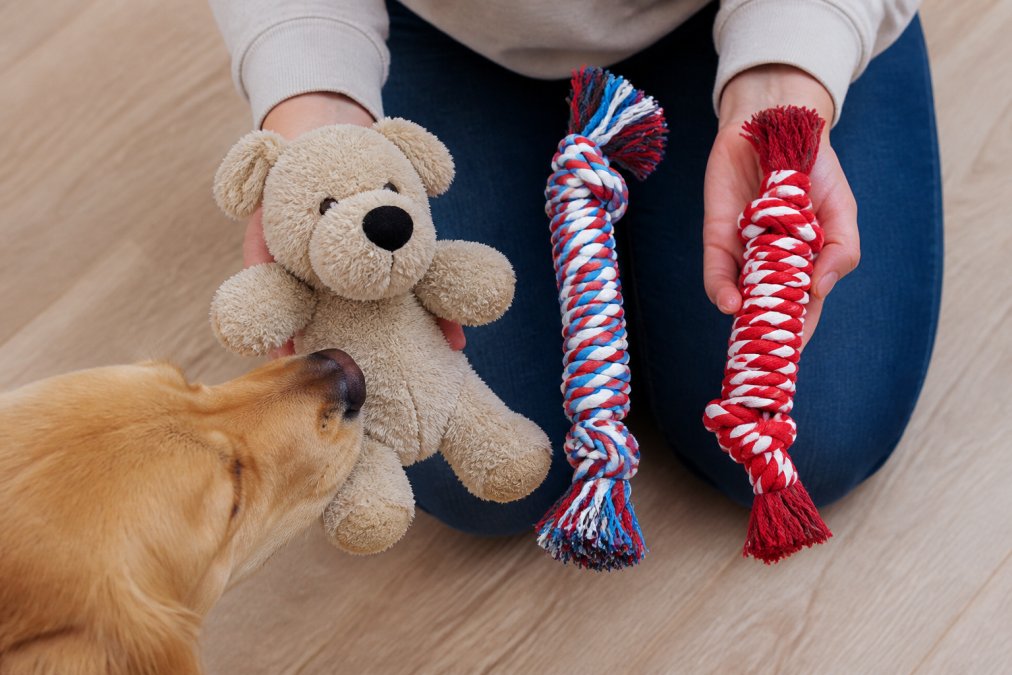
Size matters significantly. A toy should be large enough that your dog can't swallow it whole. The general rule is that the toy should be larger than your dog's mouth.
Test toys before committing to them. Observe how your dog interacts with a new toy during supervised play. If they immediately try to destroy it or show signs of aggression, that toy isn't appropriate for them.
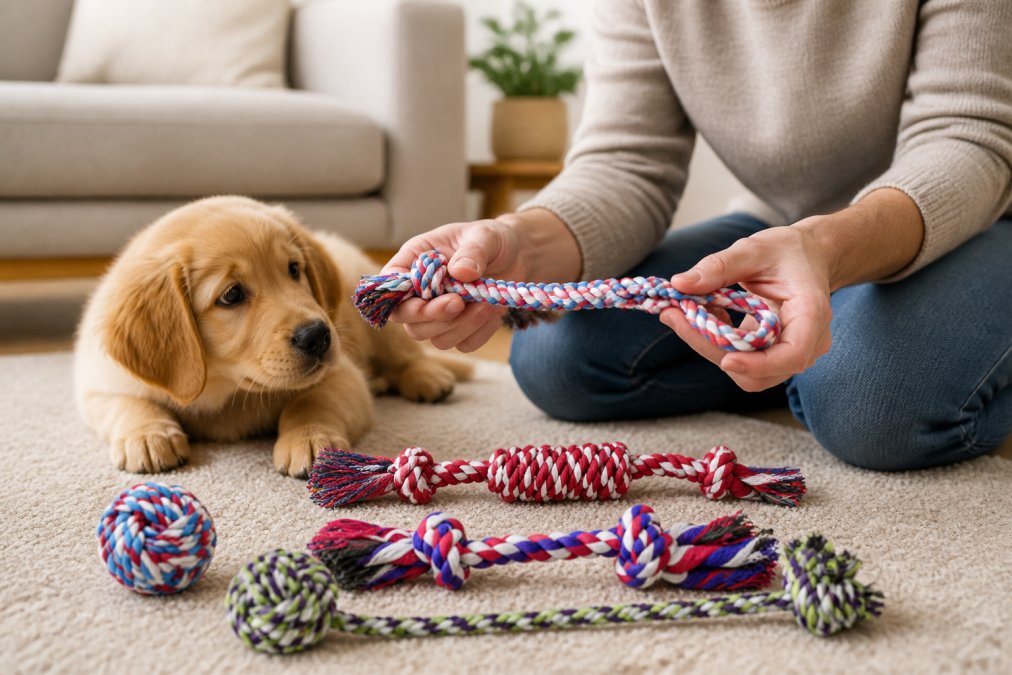
The Pacific Pups Product Rope Dog Toys 5-Pack offers variety for dogs who need different play styles. Cotton rope toys provide texture and are digestible in small amounts. The variety pack lets you test which toys your dog prefers without committing to a single style.

Mental Enrichment and Behavioral Benefits of Quality Toys
Quality toys provide mental enrichment that prevents destructive behavior and reduces anxiety. A bored dog is a destructive dog, redirecting energy toward furniture, shoes, and whatever else is available.
Interactive toys and puzzle feeders engage your dog's problem-solving abilities. The Do Not Fall Puzzle Slow Food Leak Food Ball is designed to slow down eating and provide mental stimulation simultaneously. Dogs have to manipulate the toy to release food, turning mealtime into an enrichment activity.

Quality toys strengthen the human-animal bond through interactive play. When you play with your dog using a quality toy, you're building trust and creating positive associations. Dogs that engage in regular play with their owners show lower stress levels and fewer behavioral problems (peer-reviewed research).
Separation anxiety decreases when dogs have appropriate outlets for their energy. A dog left alone with a quality toy has something to focus on besides their owner's absence. Cognitive development in puppies accelerates with quality toys, creating dogs that are more resilient to stress.
Preventing Choking Hazards and Ingestion Risks
Choking hazards and ingestion risks are the most serious concerns with low-quality toys. Small detachable parts are the primary choking hazard. If a toy has buttons, beads, or other components that can separate, your dog can swallow them, potentially causing intestinal blockage.
Toys that splinter or break apart create ingestion risks. When a toy disintegrates during chewing, your dog ingests plastic, rubber, or other materials that don't digest and can accumulate in the stomach or intestines.
The size of your dog relative to the toy matters enormously. A toy that's safe for a 60-pound dog becomes a choking hazard for a 20-pound dog. Always match toy size to your dog's size.
Supervise play with new toys, especially during the first few interactions. Watch how your dog chews and whether they try to destroy the toy. If they're aggressive with it, remove it and choose a more durable option.
Toys with stuffing present specific risks. If your dog tears open a plush toy, they'll ingest the stuffing inside. For dogs prone to destroying stuffed toys, avoid them entirely.
Remove toys showing signs of wear immediately. A toy with loose stitching, tears, or pieces coming off becomes a hazard.
Signs of a Worn-Out Pet Toy and When to Replace
Recognizing when a toy has reached the end of its safe life is crucial. Visible tears or holes are the clearest sign that a toy needs replacement. Once torn, it's only a matter of time before your dog ingests material from it.
Loose stitching indicates deterioration. Run your fingers along the seams of your dog's toys regularly. If stitching is coming loose, the toy is at the end of its life.
Pieces missing from a toy mean it's time for replacement. Missing pieces indicate the toy is disintegrating, and more pieces will follow.
Discoloration or odor changes can indicate material breakdown. If a toy smells different or has changed color, the material may be degrading.
Flattened or compressed toys have lost their structural integrity. A toy that's been compressed flat by chewing is more likely to tear or splinter.
Create a routine inspection schedule. Check your dog's toys weekly for signs of wear. Keep a rotation system to extend the life of individual toys and keep your dog interested.
Eco-Friendly Disposal and Toy Lifecycle Management
Quality pet toys matter not just during their use, but in how they're disposed of when they reach the end of their life. Recycling worn-out toys reduces environmental impact. Many rubber and plastic toys can be recycled through standard curbside programs.
Cotton rope toys are compostable. If your dog's rope toys are made from 100% natural cotton, they can be added to a compost pile. Verify that the rope contains no synthetic materials or dyes before composting.
Donate toys in good condition to animal shelters or rescue organizations. If a toy is still safe but your dog has lost interest, another dog might benefit from it. Shelters always need toys for their animals.
Upcycling is another option for toys that are no longer suitable for your dog but still have material value. Creative reuse keeps materials out of landfills.
Avoid throwing toys in the trash when other options exist. Recycling, composting, donating, or upcycling are all preferable options.
Supporting manufacturers that prioritize sustainability matters. When you choose quality toys from companies committed to eco-friendly practices, you're voting with your wallet for responsible manufacturing. Hunter's Sales curates products with quality and sustainability in mind.
Conclusion
Quality pet toys shape your dog's physical health, mental wellbeing, and behavior. The toys you choose influence how your dog develops, how they behave, and how long they stay safe. Investing in quality toys prevents destructive behavior, reduces ingestion risks, and strengthens your bond with your dog.
At Hunter's Sales, we understand that your dog is family. Our curated selection of quality toys, including options like the Nylabone Double Action Bone Power Chew Toy for aggressive chewers and the Pacific Pups Rope Toy 5-Pack for variety, ensures your dog has access to toys that are safe, durable, and engaging. Shop our collection today and give your dog the quality they deserve.
Frequently Asked Questions
Q: What are the main health benefits of quality pet toys?
A: Quality pet toys provide multiple health advantages: they satisfy your dog's natural chewing instinct, which reduces destructive behavior and anxiety. Durable toys with ridges and nubs support dental health by helping prevent plaque and tartar buildup. Interactive and puzzle toys stimulate cognitive development and mental enrichment, preventing boredom-related stress. Toys made from non-toxic materials eliminate ingestion risks, protecting your dog's digestive system. Regular play with quality toys also increases physical stimulation and energy expenditure, supporting overall pet wellness and a stronger human-animal bond.
Q: How do I know if a dog toy is made from safe materials?
A: Safe pet toys should be made from non-toxic, durable materials like natural rubber, cotton, or veterinary-grade nylon designed specifically for dogs. Check product labels for certifications and avoid toys containing harmful chemicals, phthalates, or lead. Look for toys that are free from small detachable parts that could become choking hazards. When inspecting toys, ensure seams are secure, there are no sharp edges, and the material feels sturdy. If a toy has a strong chemical smell or feels flimsy, it's likely not safe for your dog.
Q: What should I do when I notice signs of a worn-out pet toy?
A: Once you spot signs of wear and tear, such as loose threads, small tears, crumbling material, or exposed stuffing, it's time to replace the toy. Continuing to use a damaged toy increases choking hazards and ingestion risks. Remove the worn toy immediately and inspect your dog for any pieces they may have swallowed. For eco-friendly disposal, check if the toy can be recycled based on its material. Some cotton rope toys can be composted, while synthetic rubber toys may need to go in regular waste. Replace worn toys with fresh, durable options to maintain safe play and continuous mental enrichment for your pet.
Q: How often should I replace my dog's toys?
A: Replace toys as soon as they show visible damage or wear and tear, rather than on a fixed schedule. Aggressive chewers may need toy replacements more frequently, sometimes every few weeks, while gentle chewers might use toys for months. Inspect toys weekly for loose seams, cracks, or pieces coming apart. Rotate toys regularly to maintain your dog's interest and prevent boredom, which can lead to destructive behavior. Keeping a variety of durable, quality toys on hand ensures your dog always has safe, engaging options for play and mental stimulation.
This article was written using GrandRanker
Before You Go…
Here are a few handpicked articles to inspire your next self-care moment.


